
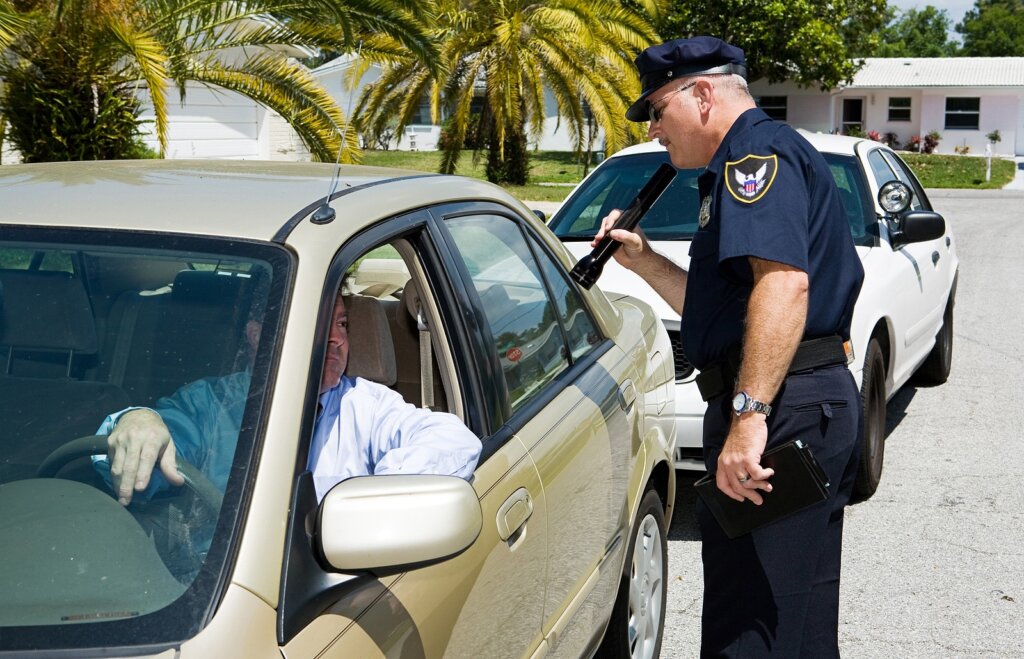
Even a simple traffic stop can be nerve-racking for the average motorist. When a traffic stop turns into an investigation that potentially involves searching your vehicle, it can be downright frightening. If you find yourself faced with a potential search of your vehicle, you may be unclear regarding whether the police can search your car without a warrant. To help ensure that you understand your rights, The Vegas Lawyers discuss when the police can legally search your car without a warrant in Las Vegas.
Understanding Your Right Against Unreasonable Searches and Seizures
The 4th Amendment to the U.S. Constitution grants you the right to be free from “unreasonable searches and seizures,” reading as follows:
The right of the people to be secure in their persons, houses, papers, and effects, against unreasonable searches and seizures, shall not be violated, and no Warrants shall issue, but upon probable cause, supported by Oath or affirmation, and particularly describing the place to be searched, and the persons or things to be seized.
Article 1, Section 18 of the Nevada Constitution provides you with a similar right by guaranteeing the right for people to “be secure in their persons, houses, papers, and effects from unreasonable searches and seizures.”
The 4th Amendment and Section 18 generally stand for the proposition that a law enforcement officer must first obtain a warrant, based on probable cause, before they can legally conduct a search and seizure. There are, however, exceptions to the warrant requirement.
Is a Warrant Required to Search My Car in Las Vegas?
Because of the rights guaranteed to you in the 4th Amendment and Section 18, the police must have a warrant to search your vehicle unless an exception to that requirement applies. If a warrant to search your vehicle is secured, the police can conduct a search of your vehicle. Because the courts have found that you have a lower expectation of privacy in your vehicle than you have in your home, a search of your vehicle may still be legal in the absence of a warrant if:
- You consent to the search.
- The police have probable cause to believe that evidence of a crime will be found in the vehicle.
- The search is conducted because a law enforcement officer reasonably believes that a search is necessary to ensure their safety.
- The search occurs incident to an arrest.
- The vehicle is impounded.
What Is the Consent Exception?
The easiest way for the police to legally search your vehicle without first obtaining a warrant is to obtain your consent. They will likely ask you if they can search your vehicle, hoping that you will provide consent. You are not required to agree to a search and providing consent rarely benefits a driver.
What Is the Probable Cause Exception?
Although a law enforcement officer can pull you over for a simple traffic infraction, the officer needs “probable cause” to turn that stop into a search of your vehicle. Probable cause means that the officer has a “reasonable belief that evidence of a crime will be found in the place to be searched.” For example, if the smell of marijuana or alcohol were emanating from the vehicle during the stop, the officer would have probable cause to search the vehicle. The police are even allowed to bring a K-9 to sniff your vehicle to obtain probable cause for a search, as long as waiting for the K-9 does not unreasonably prolong the traffic stop.
What Is the Safety Exception?
If the law enforcement officer has a reasonable belief that you are dangerous and that you might be able to gain control of a weapon, a vehicle search may be conducted without a warrant. This usually applies if the occupant of a vehicle is verbally threatening a police officer or if a weapon is visible in the vehicle.
What Is the Incident to Arrest Exception?
If you are arrested during a traffic stop, the police may legally conduct a warrantless “search incident to arrest.” This exception, however, only allows them to search the area within your immediate control, typically meaning the passenger compartment of the vehicle only. Usually, this exception to the warrant requirement does not allow a search of the trunk of the vehicle.
What Is the Impound Exception?
If your vehicle is lawfully impounded by the police, they are allowed to conduct an “inventory search” without first obtaining a warrant. The rationale behind this exception is in the name, meaning they are supposed to “inventory” the contents of the vehicle to ensure that it is returned with everything in it. This type of search does include a search of the trunk of the vehicle.
Contact A Las Vegas Criminal Defense Lawyer at The Vegas Lawyers
If you have questions about whether a search of your vehicle was legal in Las Vegas, consult with an experienced criminal defense attorney at The Vegas Lawyers as soon as possible to discuss your legal options. Call us at 702-707-7000 or contact us online.