
Facing a Bench Warrant in Las Vegas: How to Clear It Before You Get Arrested

Finding out that you have an active bench warrant can cause you to panic, worrying that a simple traffic stop or encounter with police could end with you being handcuffed in front of your family and potentially losing your job if you end up in the Clark County Detention Center. A bench warrant is issued […]
Nevada Specialty Courts: How Drug Court, Mental Health Court, and Veterans Court Can Keep a Conviction Off Your Record

Facing a criminal charge in Clark County can make you feel as though one mistake will define the rest of your life. That fear can be even greater when addiction, PTSD, or a serious mental health condition contributed to the conduct that resulted in your arrest. You may be worried about jail, losing your career, […]
Drug Possession vs. Possession with Intent to Distribute in Nevada: How Prosecutors Decide the Charge

Sitting in the Clark County Detention Center or waiting for your first court appearance on a drug charge can leave you wondering whether your future is ruined. That fear becomes even greater if the charging documents allege that you possessed drugs with the intent to sell them, because the potential penalties increase significantly compared to […]
Battery vs. Assault in Nevada: The Actual Legal Difference (and Why It Decides How Serious Your Case Is)

The primary difference between assault and battery in Nevada comes down to physical contact. Assault is an intentional threat or an attempt to use physical force against someone else, while battery is the actual, intentional use of force on another person. You can think of assault as the threat of violence and battery as the […]
Petit Larceny vs. Grand Larceny in Nevada: Shoplifting on the Strip and the Dollar Thresholds That Change Everything

The primary difference between petit larceny and grand larceny in Nevada comes down to a single number: $1,200. If you are accused of taking property valued at under $1,200, you face a misdemeanor petit larceny charge. The moment that value hits $1,200 or more, the charge automatically elevates to a felony grand larceny. Whether you […]
How Bail Works in Clark County: Bail Amounts, Bail Bonds, and Getting Released on “OR” (Own Recognizance)

If you or a loved one has just been arrested in Las Vegas, your immediate priority is getting out of custody. How bail works in Clark County can seem confusing and intimidating, but the primary goal of the system is actually quite simple. Bail acts as a financial guarantee that a defendant will return for […]
DUI on an E-Bike, Scooter, or Golf Cart in Nevada: Can You Really Be Charged?

You may have thought you were making the responsible choice by renting a scooter, climbing onto an e-bike, or using a golf cart to travel a short distance instead of getting behind the wheel of your car after drinking. Unfortunately, however, what seemed like a safer alternative to drinking and driving ended in an arrest […]
Statute of Limitations in Nevada: How Long Can You Be Charged with a Crime?
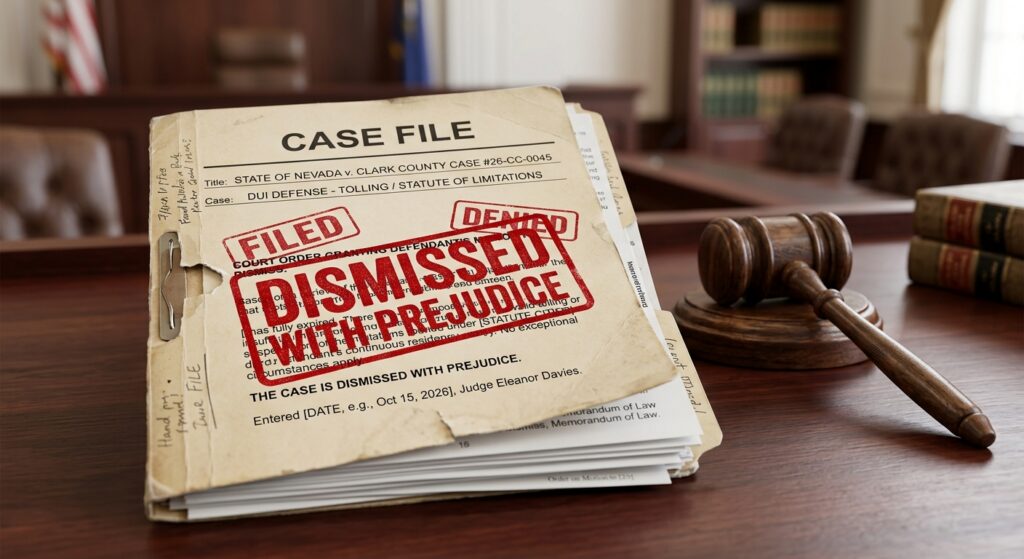
If you are wondering how long you can be charged with a crime in Nevada, the answer depends entirely on the severity of the offense. The criminal statute of limitations is a strict legal deadline that dictates how much time prosecutors have to file formal charges against an individual. In Nevada, this timeframe ranges from […]
Subpoenaed as a Witness in a Las Vegas Criminal Case? What You’re Required to Do (And What You’re Not)
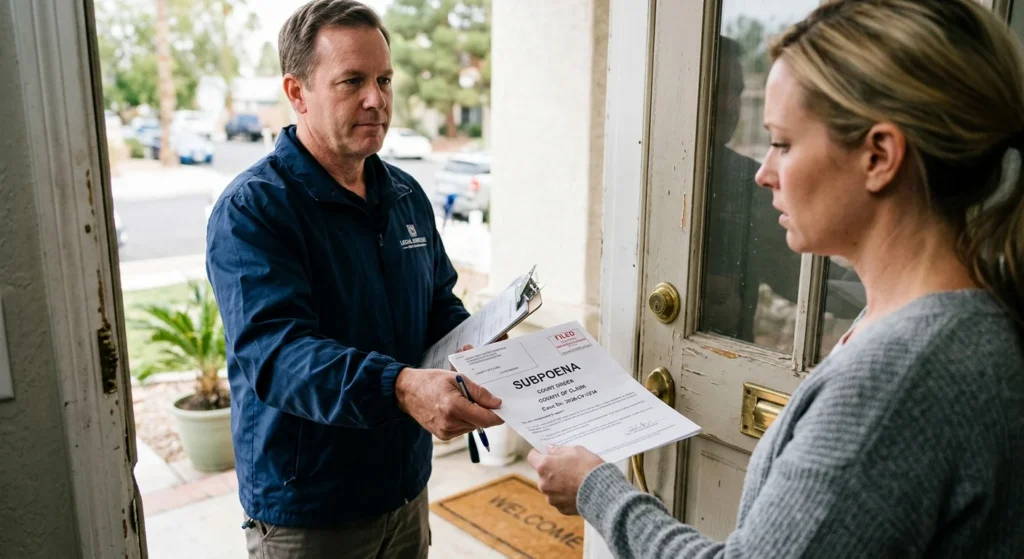
Having a process server or law enforcement officer unexpectedly hand you a subpoena in connection with a Las Vegas criminal case can be a frightening and intimidating experience. The idea that prosecutors now expect you to appear in court, testify under oath, produce documents, or answer questions about criminal conduct may cause you to fear […]
Facing Restitution in Nevada Criminal Cases: What You Owe, How It’s Calculated, and How to Fight It

Being arrested and facing the possibility of jail is frightening enough, but learning that the prosecution also wants you to pay a substantial amount in restitution can make an already stressful situation feel hopeless. It is crucial to understand that the restitution figure initially requested by the prosecution is not necessarily the amount you will […]